




Treatments

Oral, Dental, and Maxillofacial Surgery

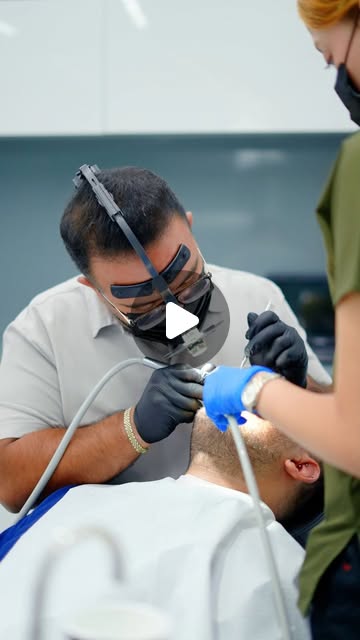
Surgical procedures such as impacted tooth extractions, abscess drainage, cyst removal, and bone grafting are performed in a sterile and controlled clinical environment. These treatments are crucial for maintaining long-term oral health.

With a highly experienced team and advanced equipment, we ensure a safe and comfortable surgical experience tailored to each patient’s needs.

Frequently asked questions

Do you offer services for patients coming from abroad?

Yes, our clinic holds an international health tourism authorization certificate. We provide consultation and support in patients' native languages, especially English. Our professional team manages all aspects of the process, including accommodation, transfers, and treatment planning.

What are gum diseases?

The most common are gingivitis (gum inflammation) and periodontitis (advanced stage). Symptoms include redness, bleeding, and bad breath. If left untreated, they can lead to tooth loss. We offer laser and non-surgical treatments for gum diseases.

What is the success rate of implant treatment?

Today, the success rate of implant treatments is around 96–98%. In our clinic, where I have been performing implant treatments for 7 years, our success rate is very high. The majority of the over 6,000 implants I have placed are still functioning flawlessly. The key to success is proper planning, sterile conditions, and regular follow-ups.

Is root canal treatment painful?

No, with modern techniques and local anesthesia, root canal treatment is now a painless procedure. The infected or inflamed pulp is removed, the inside of the tooth is cleaned and filled, saving the tooth. There may be minor sensitivity afterward, but this usually resolves quickly. We ensure comfortable treatment with modern equipment.

What is tartar and how is it cleaned?

Tartar forms when plaque hardens over time and can only be removed through professional cleaning. If left untreated, it can lead to gum disease. We use ultrasonic devices for painless and effective tartar removal.

What should I eat after an implant procedure?

During the first 24 hours, consume soft and lukewarm foods. Avoid hot and hard foods. A balanced diet supports tissue regeneration during healing. Alcohol and smoking can negatively affect healing and are therefore discouraged.


Smile Stories

More Than 9,000 Restored Smiles

Ready to Begin?

Let’s Make Your Smile Journey Simple

Fill out our quick form to request your appointment, and our team will be in touch to confirm all the details and answer any questions