



Treatments

Digital Dentistry

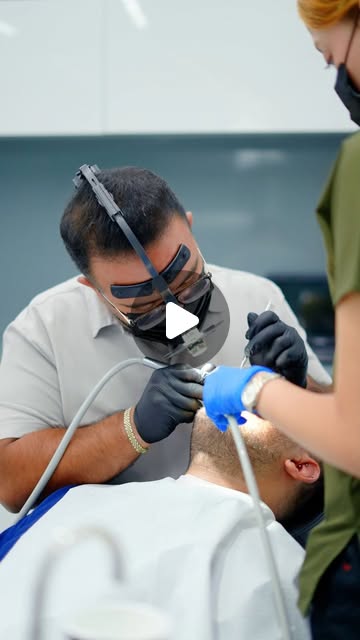
Digital dentistry replaces traditional techniques with state-of-the-art tools that deliver faster and more accurate results. With 3D intraoral scanners, we capture detailed digital impressions that are used in CAD/CAM systems to create restorations with exceptional precision.

This modern approach reduces treatment time and improves patient comfort. Whether it’s a crown, veneer, or full prosthesis, digital planning allows for efficient and predictable outcomes.

Frequently asked questions

What is digital dentistry?

Digital dentistry replaces traditional methods with technologies like 3D scanning and computer-aided design and manufacturing (CAD/CAM). This allows for more precise measurements and faster, better-fitting prosthetics and fillings. Digital systems make treatments more predictable and reproducible.

Does teeth whitening damage teeth?

When performed by an experienced dentist using professional products, teeth whitening does not harm the enamel. Temporary sensitivity may occur after the procedure, but it usually subsides. A detailed exam should be done beforehand to determine eligibility.

How often should I have a dental check-up?

It is recommended to visit your dentist at least twice a year to maintain oral and dental health. These check-ups help detect cavities, gum disease, or other oral health issues early on, allowing for preventative measures before problems worsen. Regular follow-ups protect your health in the long term and help avoid more extensive treatments.

How is gum recession treated?

If detected early, gum recession can be managed with professional cleaning and care protocols. In advanced cases, surgical procedures or graft applications may be necessary. We offer personalized treatment options based on individual needs.

What are All-on-Four and All-on-Six treatments?

These are advanced procedures where all teeth are fixed onto 4 or 6 implants in patients with no remaining teeth. Temporary teeth can be placed the same day, providing an aesthetic and functional smile. These techniques are particularly comfortable and effective for patients with bone loss.

What should I be careful about after an implant procedure?

Avoid hot and cold foods for the first few days, keep the surgical area clean, and use your prescribed medications regularly. Smoking and alcohol negatively affect the healing process. Regular check-ups are crucial for the long-term success of your implant.


Smile Stories

More Than 9,000 Restored Smiles

Ready to Begin?

Let’s Make Your Smile Journey Simple

Fill out our quick form to request your appointment, and our team will be in touch to confirm all the details and answer any questions