





Treatments

Dental Implant Treatments

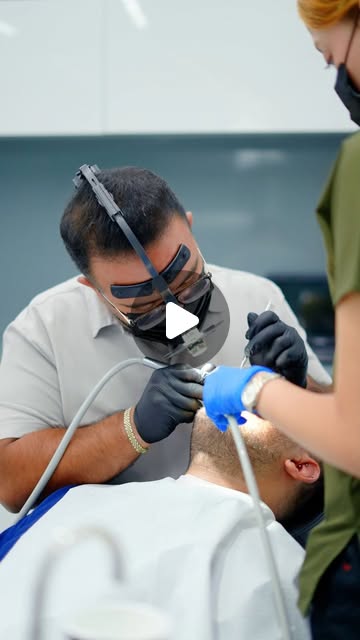
Dental implants provide a natural-looking and functional solution for missing teeth. Titanium screws are surgically placed into the jawbone to act as artificial roots, onto which a dental crown or bridge is fixed. This approach restores not only chewing and speaking functions but also enhances the patient’s smile.

At our clinic, we offer tailored implant treatments ranging from single-tooth replacements to full-mouth restorations such as All-on-Four and All-on-Six. With over 7 years of experience and more than 6,000 successful implant cases, we ensure long-lasting, safe, and effective results.

Frequently asked questions

How long do aesthetic fillings last?

With proper care and regular check-ups, composite aesthetic fillings can last 5–7 years or even longer. Teeth grinding or frequent contact with hard foods can shorten their lifespan. We use high-quality materials and apply fillings with attention to both aesthetics and function.

What is the success rate of implant treatment?

Today, the success rate of implant treatments is around 96–98%. In our clinic, where I have been performing implant treatments for 7 years, our success rate is very high. The majority of the over 6,000 implants I have placed are still functioning flawlessly. The key to success is proper planning, sterile conditions, and regular follow-ups.

Does smoking affect implants?

Yes, smoking significantly reduces the success rate of implants. It negatively impacts bone integration and increases the risk of infection. It is strongly recommended to quit smoking before and after implant treatment.

How long does implant treatment take?

The initial surgical procedure typically takes 30–60 minutes. After that, a healing period of 2–3 months is needed for the implant to fuse with the bone. Then the prosthetic tooth is placed. In some special cases, a temporary tooth can be placed the same day. Treatment time varies based on your bone structure and overall health.

Is pain normal after a root canal?

Mild sensitivity or discomfort for a few days after root canal treatment is normal and usually temporary. It can be easily managed with prescribed painkillers. If the pain persists, please contact our clinic.

How is gum recession treated?

If detected early, gum recession can be managed with professional cleaning and care protocols. In advanced cases, surgical procedures or graft applications may be necessary. We offer personalized treatment options based on individual needs.


Smile Stories

More Than 9,000 Restored Smiles

Ready to Begin?

Let’s Make Your Smile Journey Simple

Fill out our quick form to request your appointment, and our team will be in touch to confirm all the details and answer any questions